Service Specifications
Consult Our Experts
Have questions about building integrity, structural design computing, FSI licensing, or government empanelled property valuation?
Inquire Now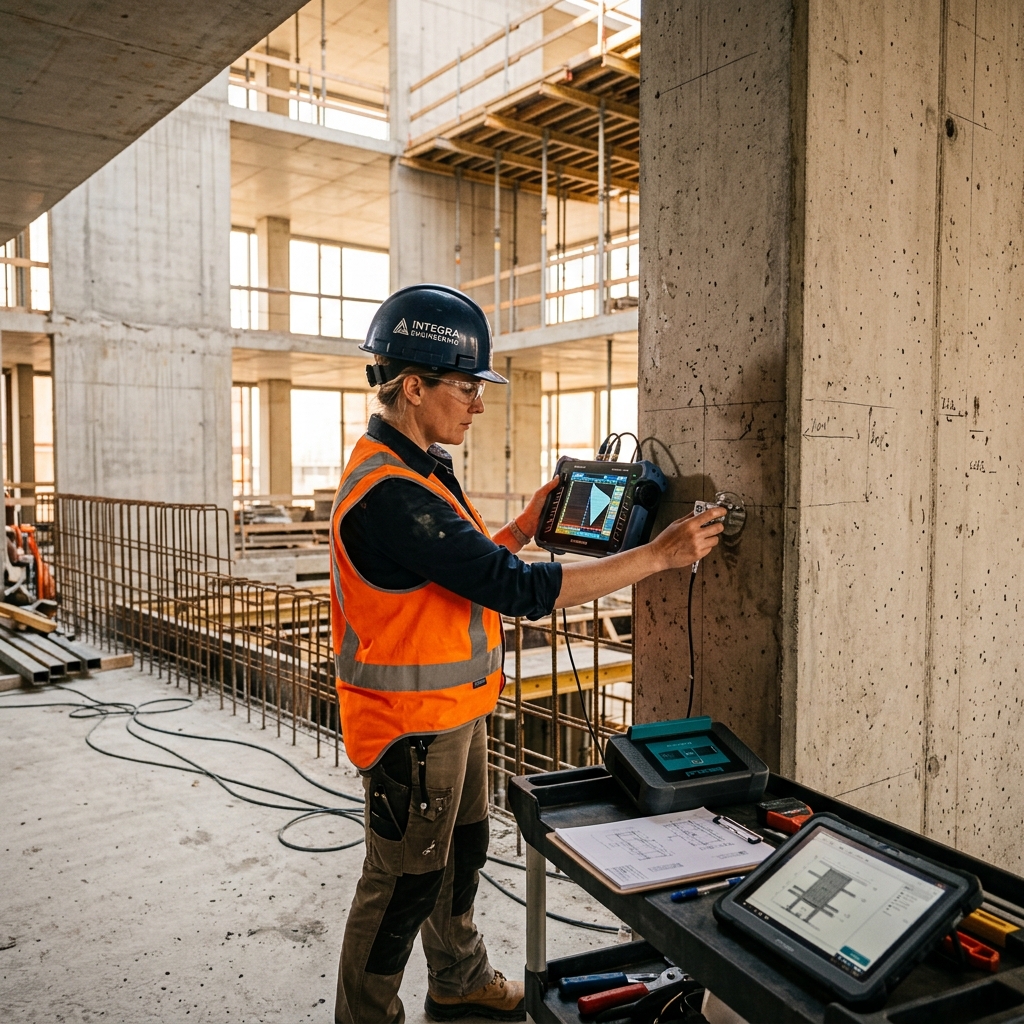
What is Structural Audit?
The meaning of ‘structural audit’ is an examination of the overall health of a building to ensure that it is safe, risk-free and habitable. The purpose of a structural audit is to correctly identify parts or sections of a building that may be in need of immediate repair, renovation or replacement. Structural audits are performed by licensed consultants who have the required expertise in civil construction and are empanelled with the government authorities.
Purpose of Structural Audit
To enhance the overall lifecycle of the building, its components need to be periodically examined so that there is no danger to its inhabitants. Areas in need of crucial repairs need to be identified to employ corrective measures so that the day-to-day life of the residents is not inconvenienced on account of unexpected leakages or breakages.
In the probable scenario that the builder has cut corners and left any sections of a building prone to collapse or faster dilapidation, a structural audit is your best bet to avert any disasters. Even if the building is relatively sound in its basic framework, it is likely that during a preceding repair or renovation, less than ideal quality materials were used that have led to further damage or leakage. In cases where continuous neglect from the stakeholders persists, it may happen that a massive redevelopment project needs to be undertaken, costing the residents exorbitant amount of money. A structural audit is a highly recommended preventive measure to avoid any calamitous eventualities altogether.
What are the stages of a structural Audit?
- 1. Visual Inspection: The first stage consists of a visual inspection that leads to the identification of defects, material degradation, deformation of any sections or interior components. Columns, beams, slabs, balconies, stairways, water tanks, and drainage lines are thoroughly analyzed.
- 2. Non-destructive Testing (NDT): Concrete strength, carbonation levels, and reinforcement corrosion are assessed using modern non-destructive methods:
- Rebound Hammer Test to check concrete compressive strength.
- Ultrasonic Pulse Velocity Test to inspect internal cracks and verify quality.
- Carbonation and pH tests to check concrete chemical attack resistance.
- Half-cell potential test to evaluate steel rebar corrosion.
- Earthquake resistance (seismic diagnosis) and fire readiness checks.